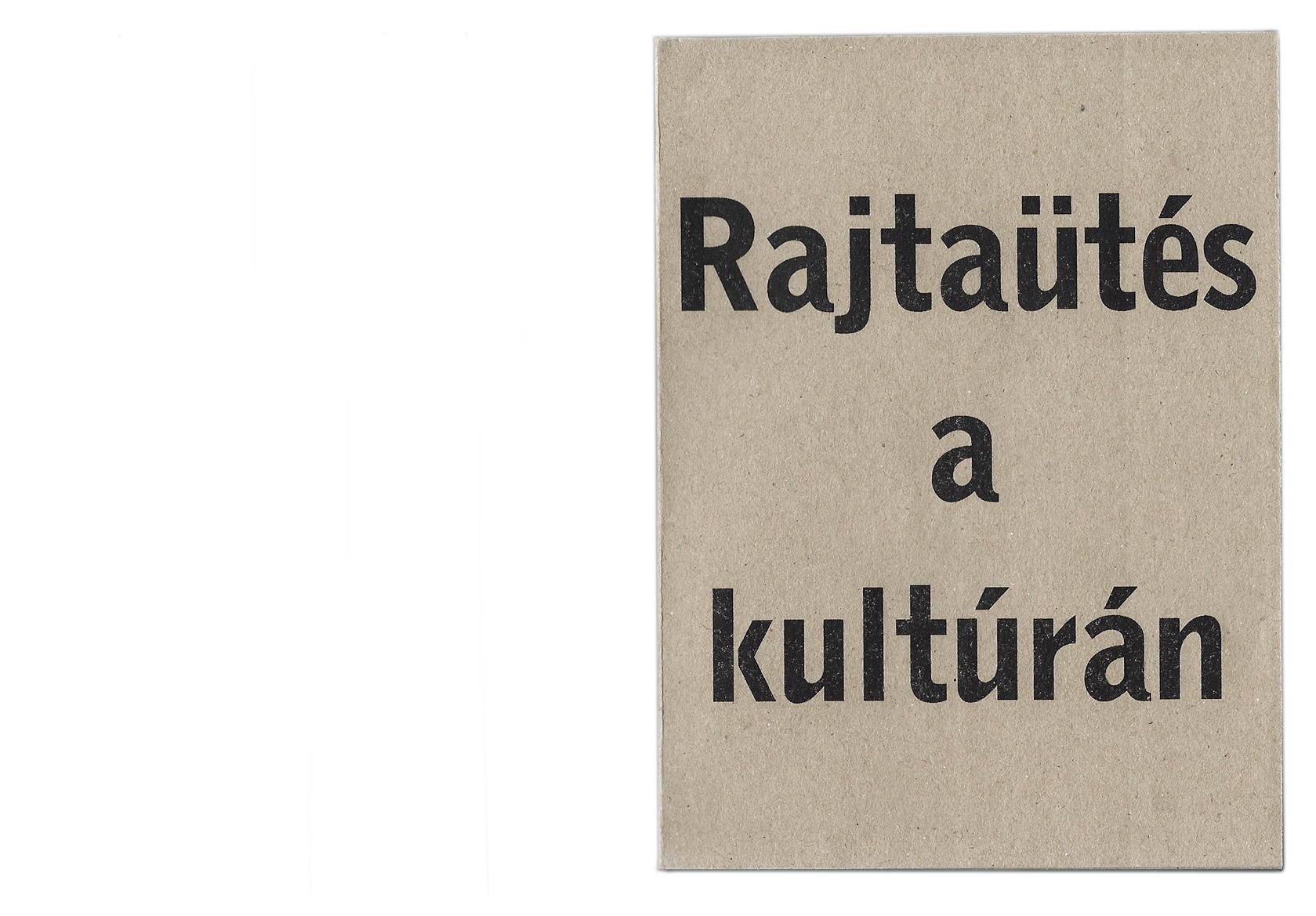
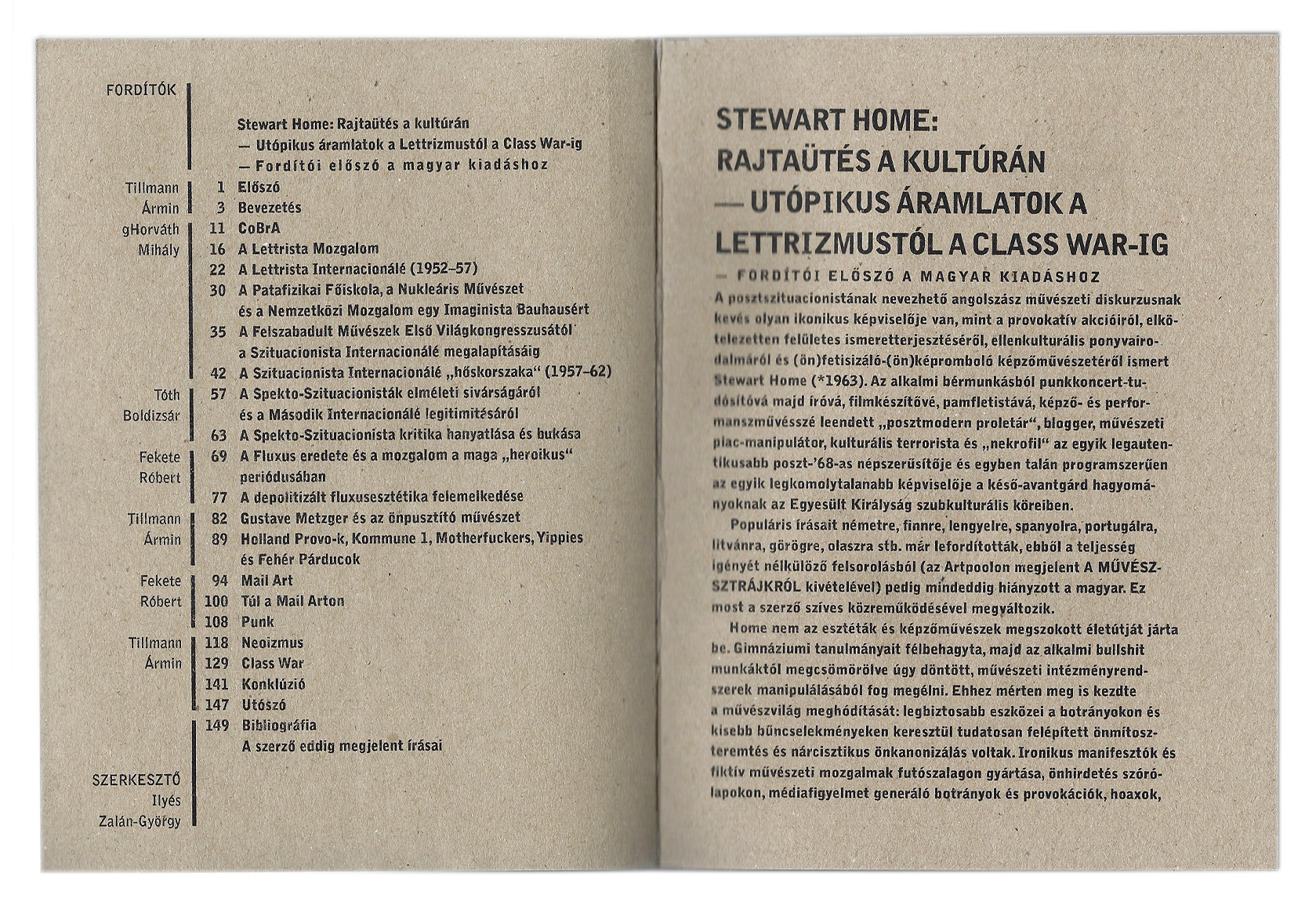
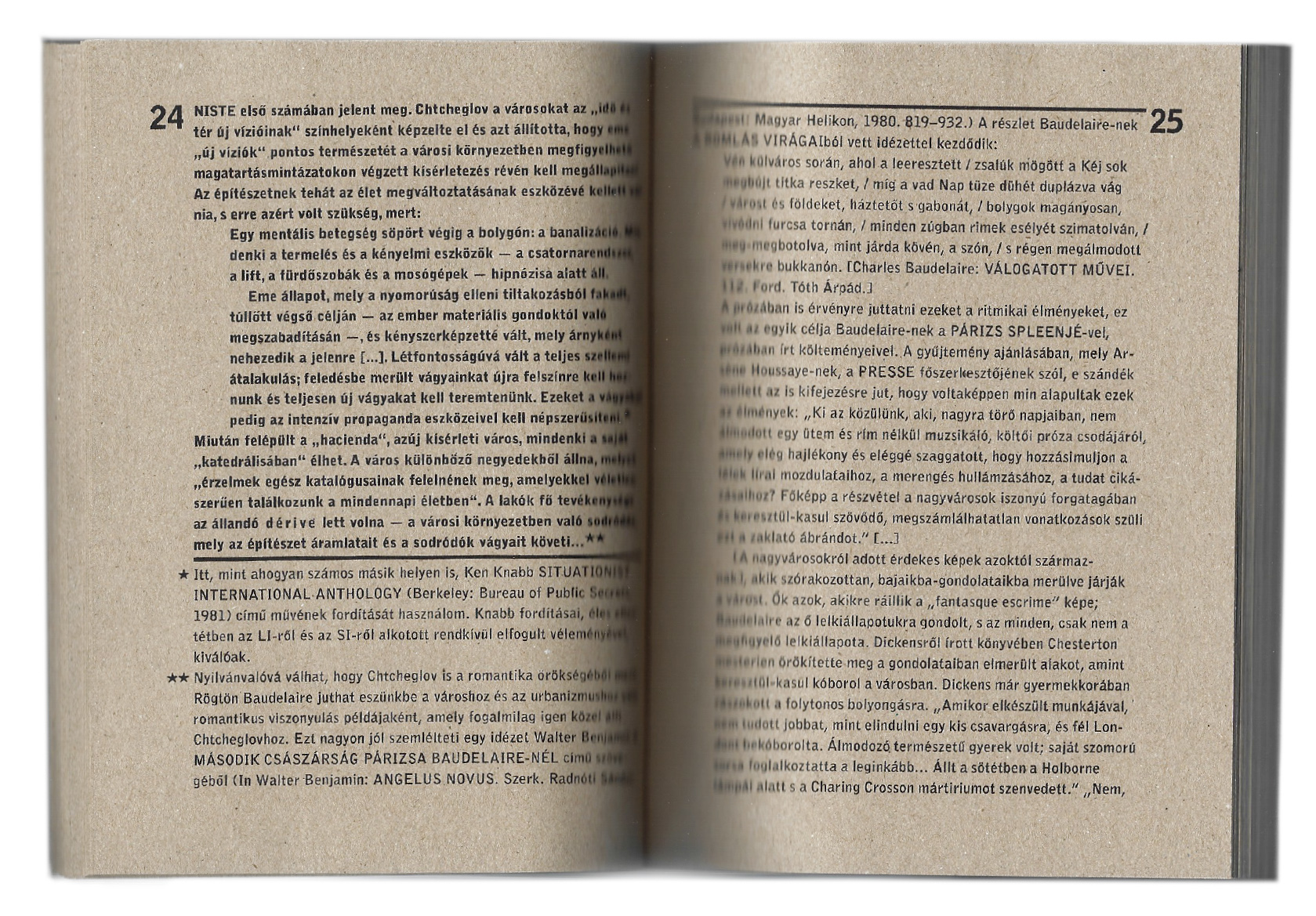
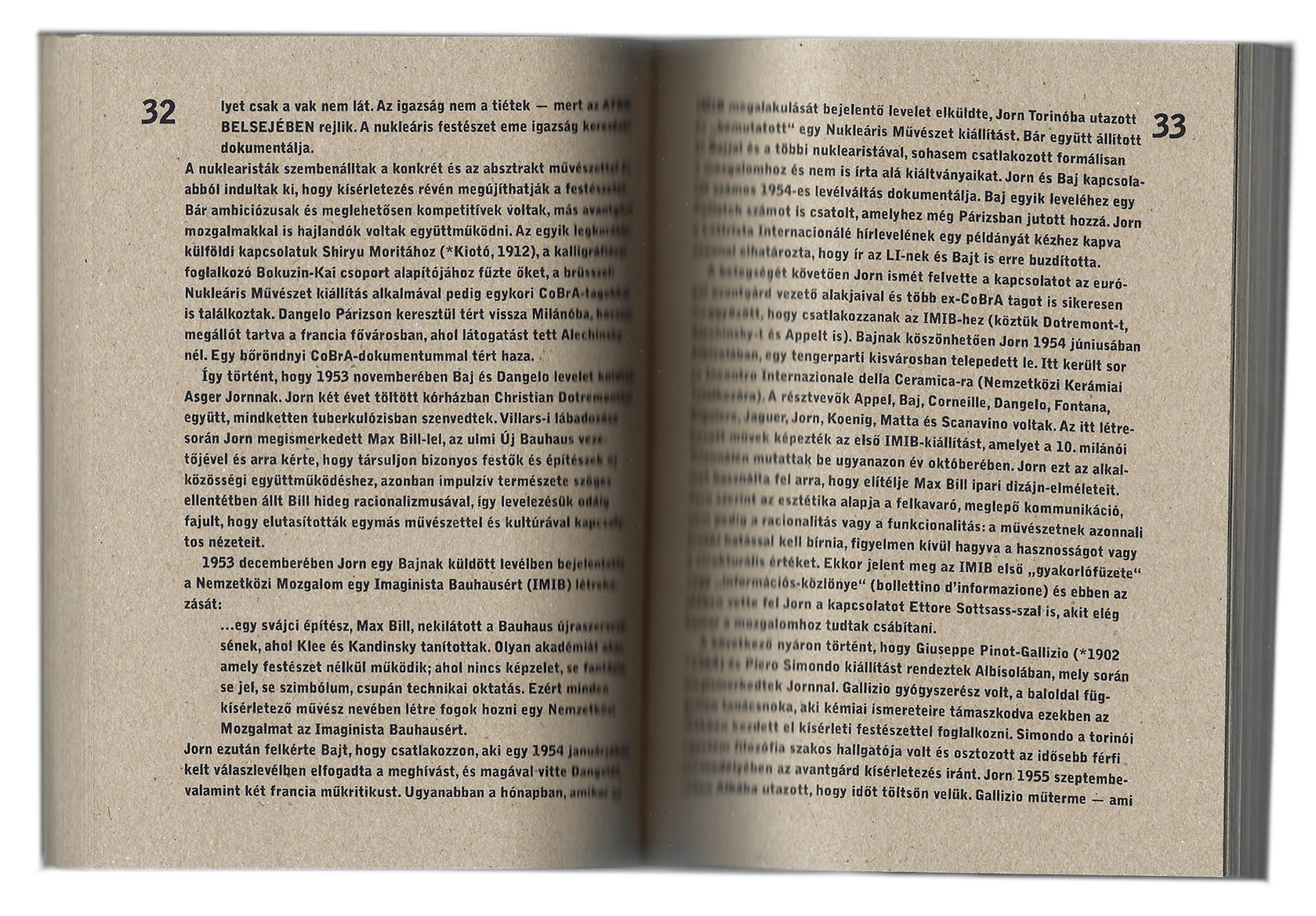
STEWART HOME: Rajtaütés a kultúrán — Utopikus áramlatok a Lettrizmustól a Class War-ig
Hungarian, 185 × 138 × 15 mm, riso
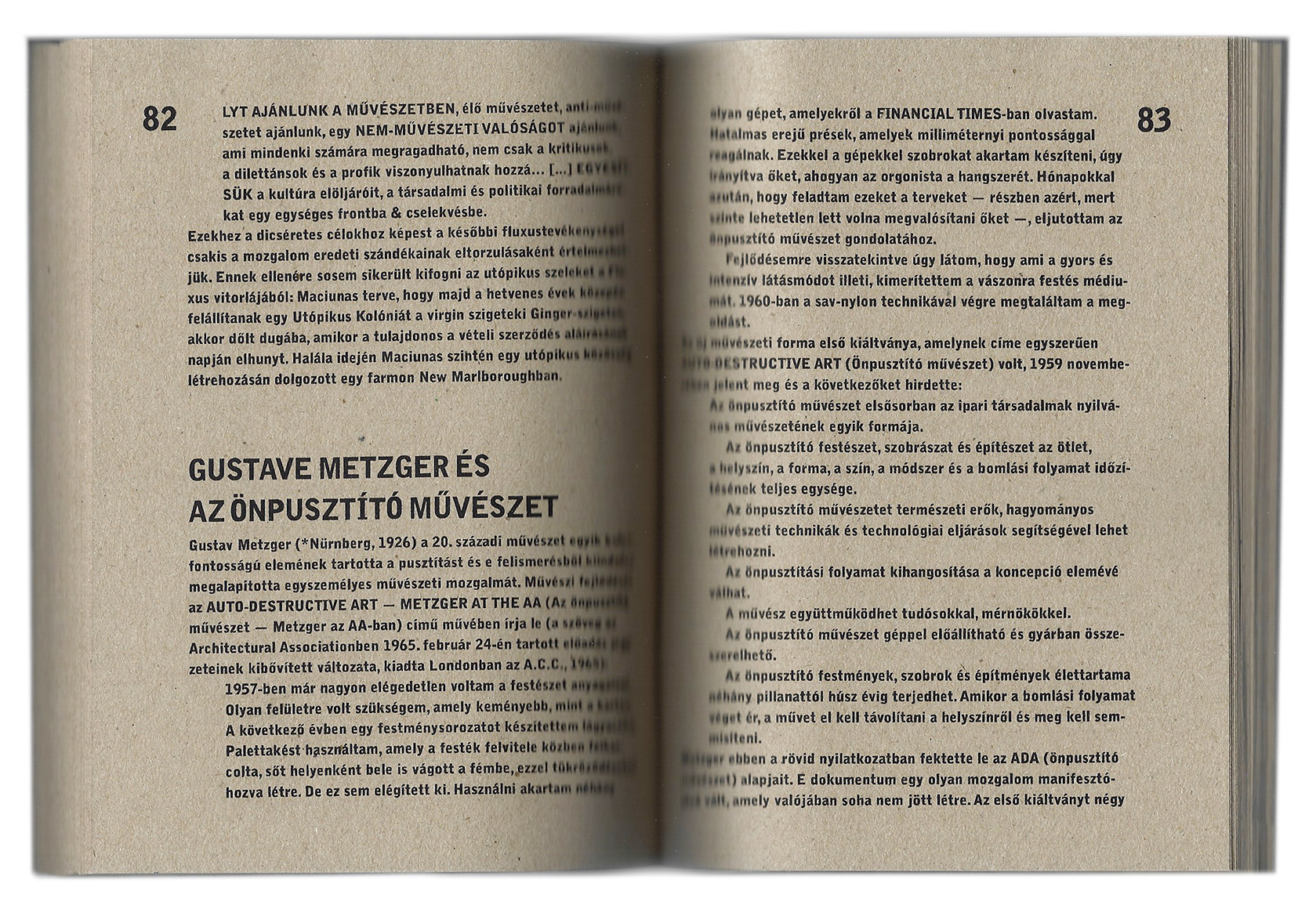
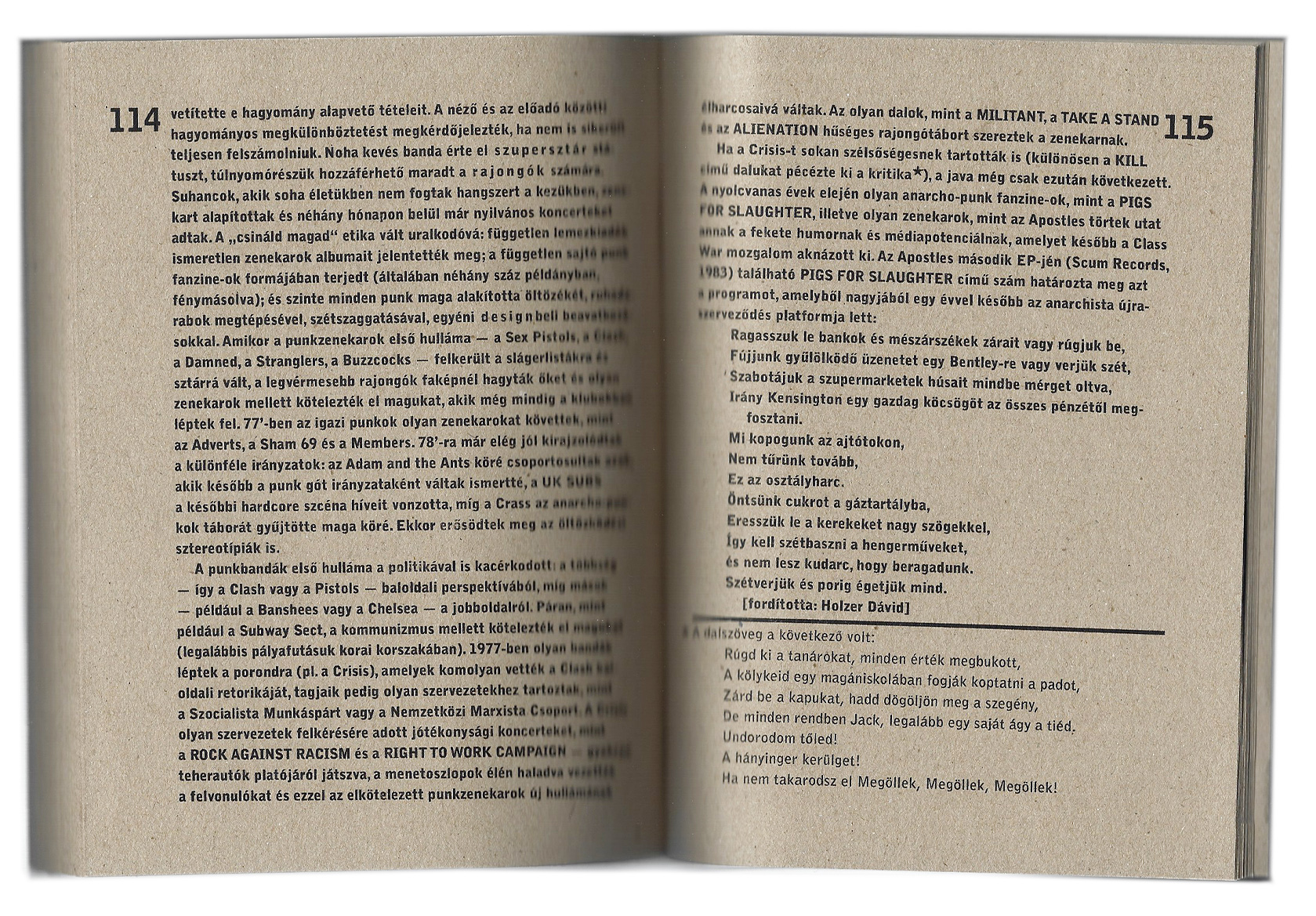
Hungarian translation of Stewart Home's Assault on Culture — from Lettrism to Class War.
for the english original click here
for more info abut the author click here
base price: €14
edition of 300 pieces
Öćyŕė
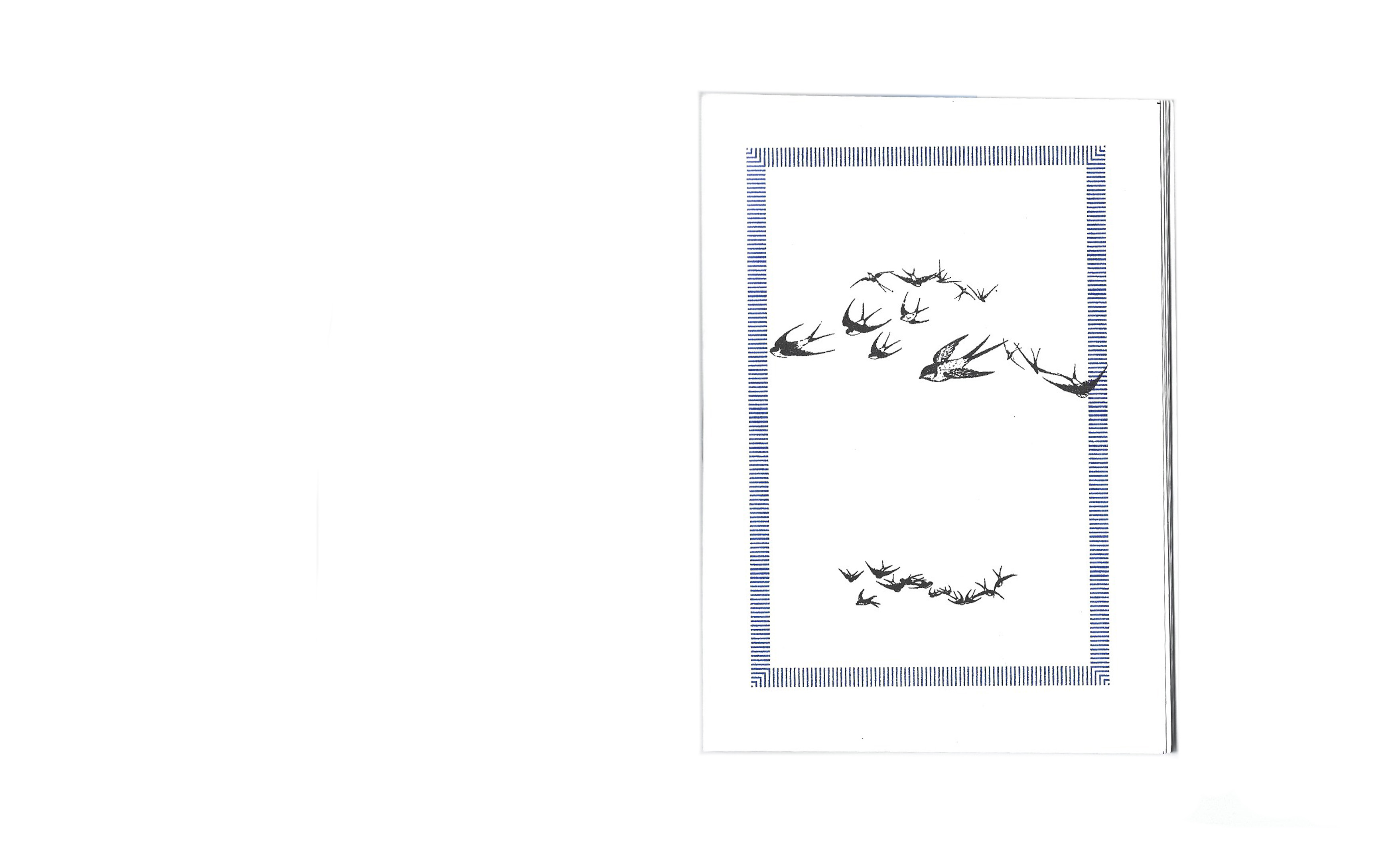
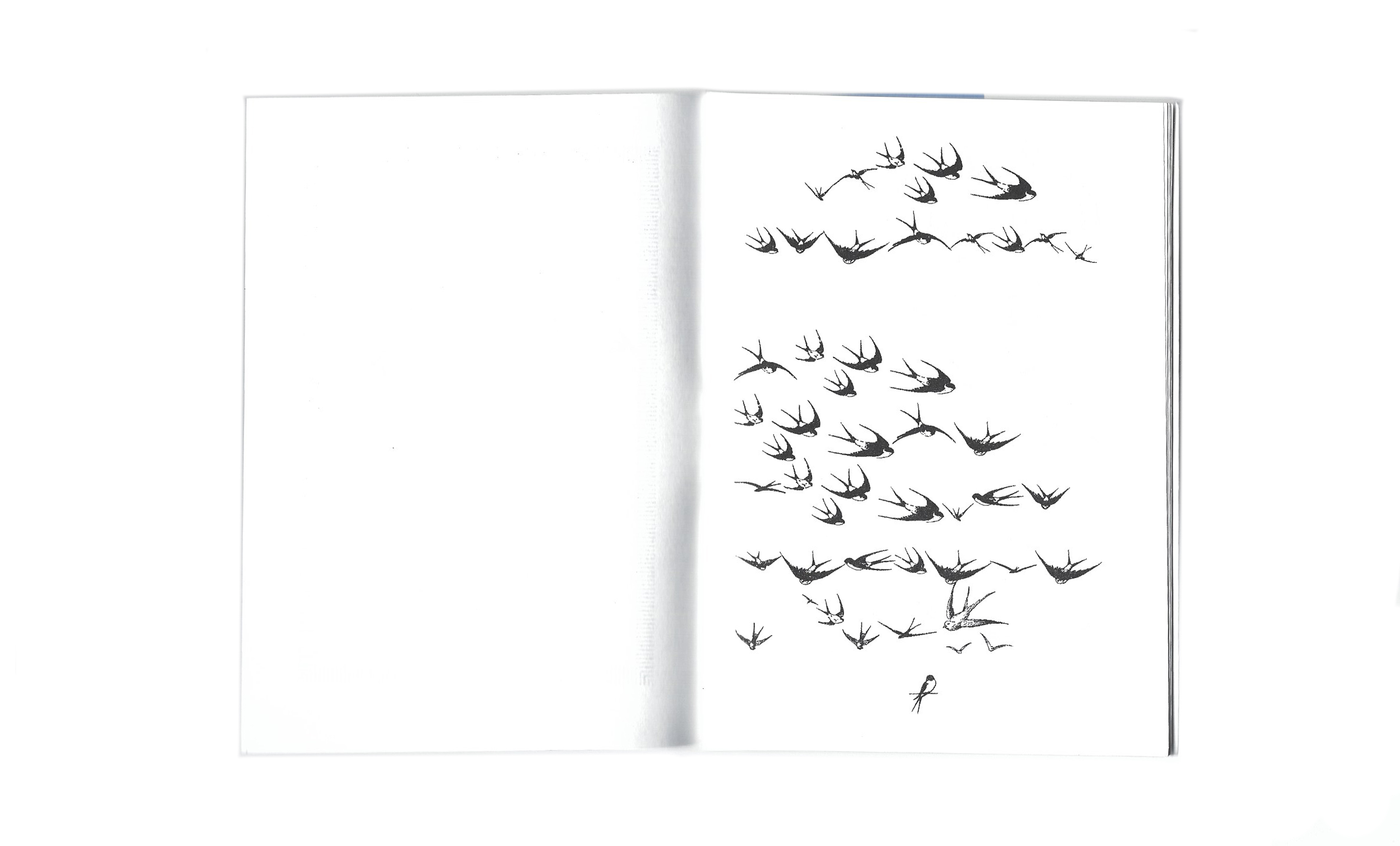
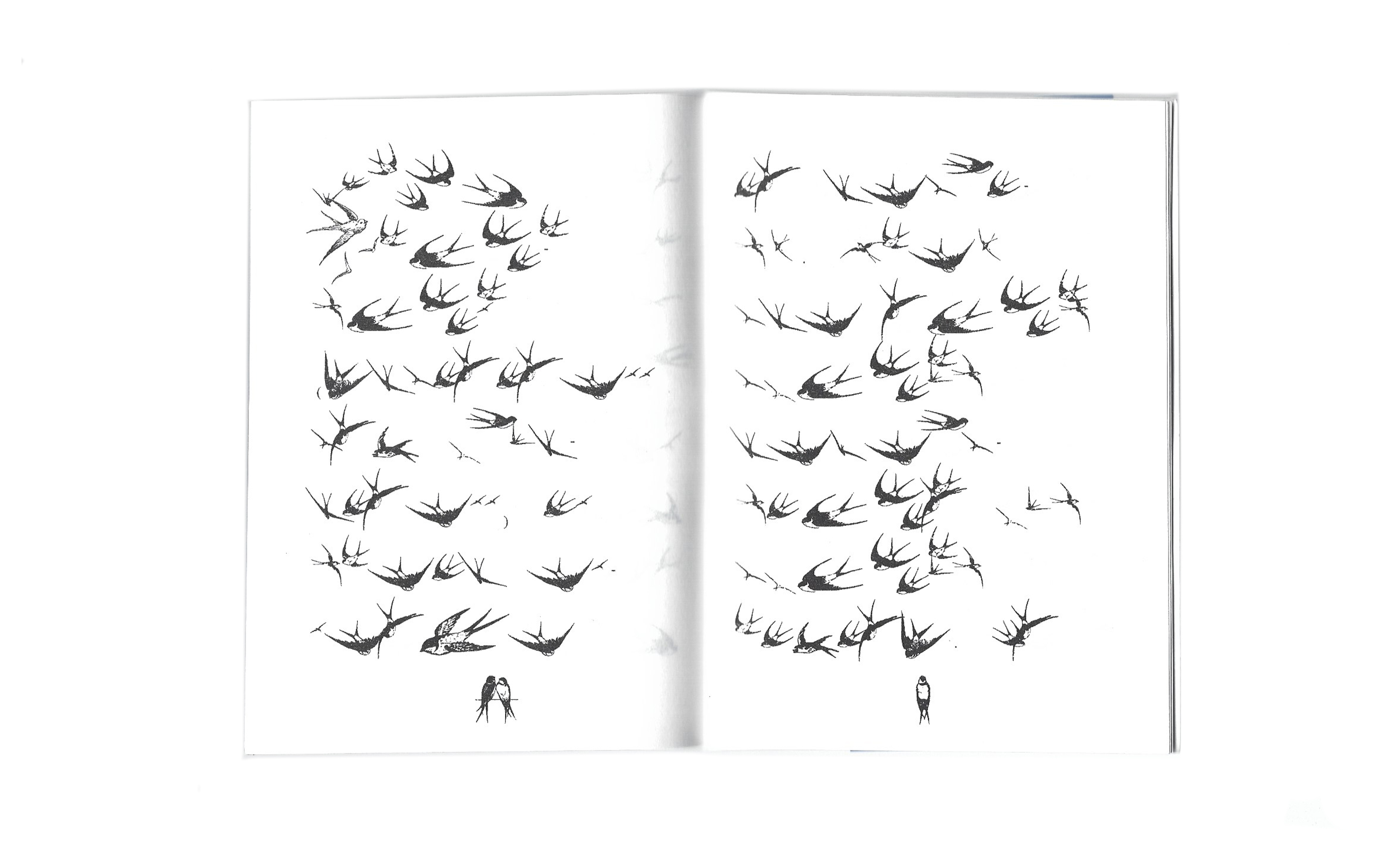
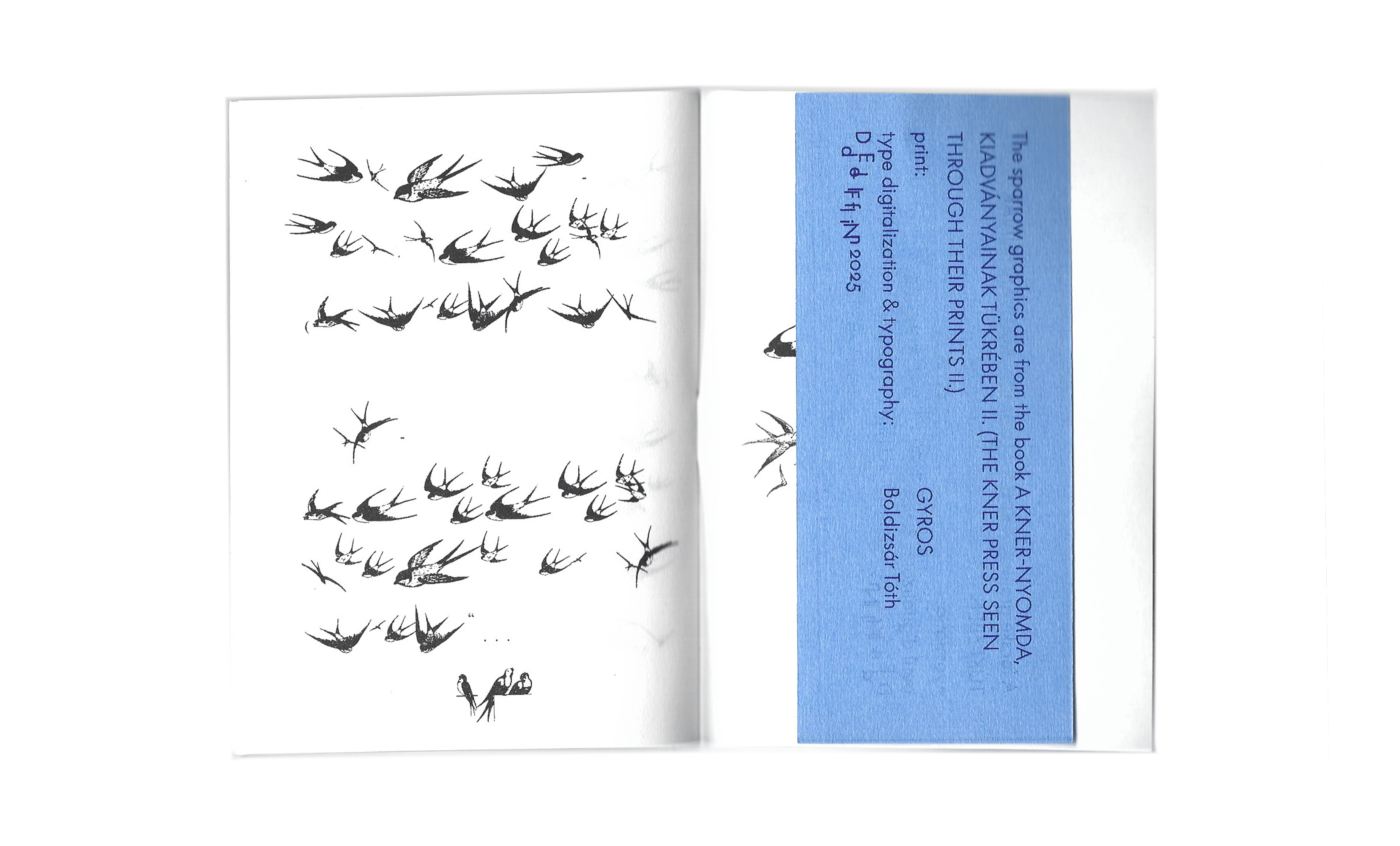
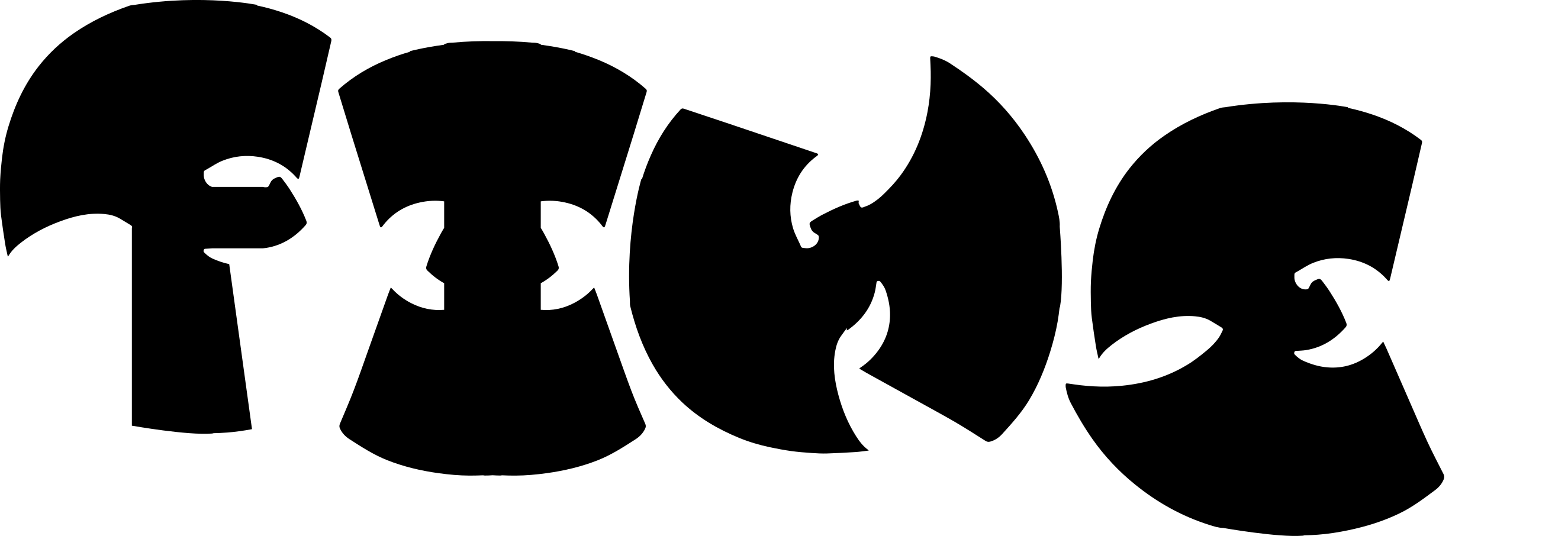
FECSKE, 190 x 130 x 9 mm, risograph
ITT A TAVASZ DAGAD A ... TE KIS KIVANCSI, nem illik más kódjában turkálni! tAavVaaaSz!! Oo0e (language of the birds). Typeface available on request.
base price: €3
edition of 100 pieces
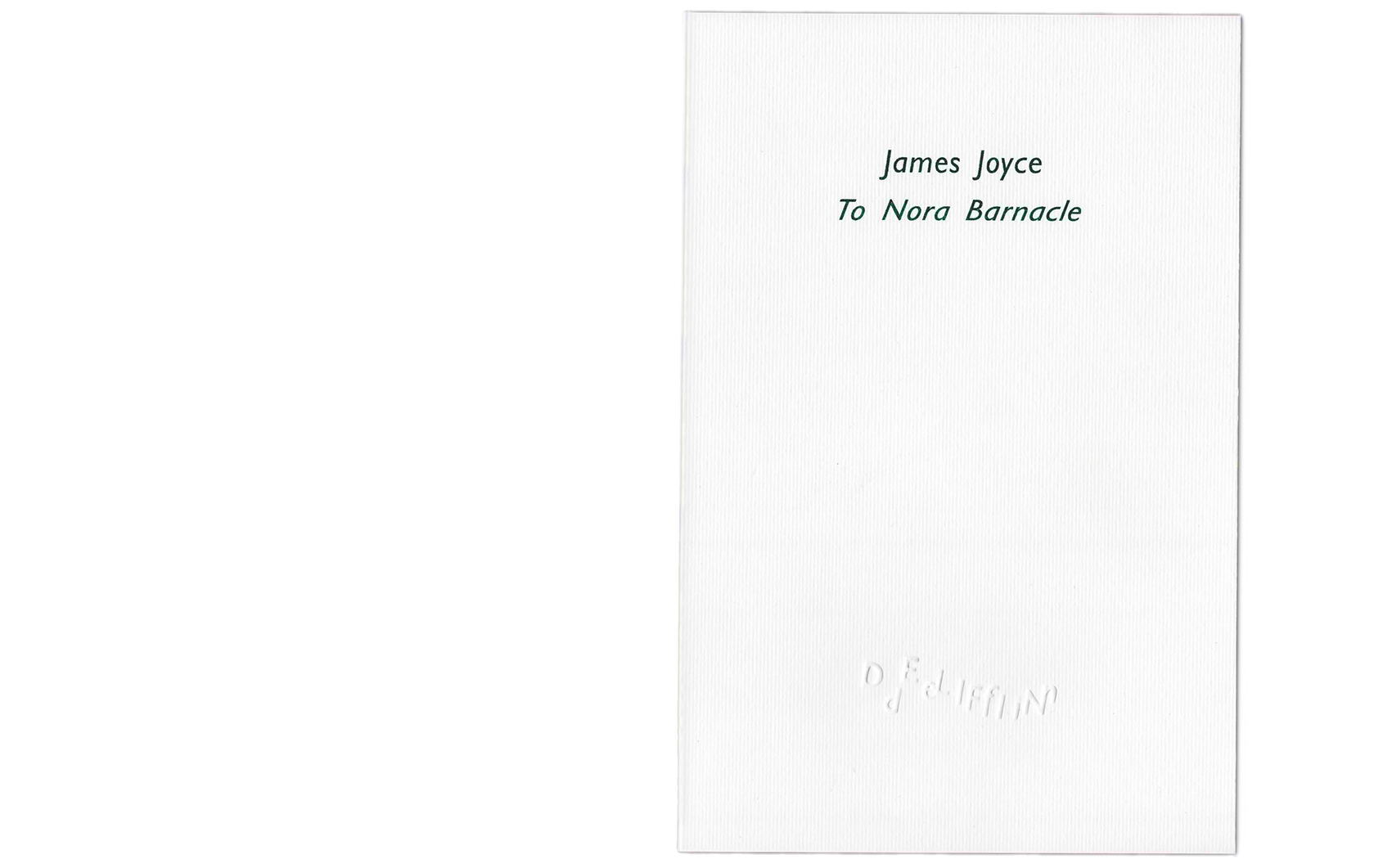
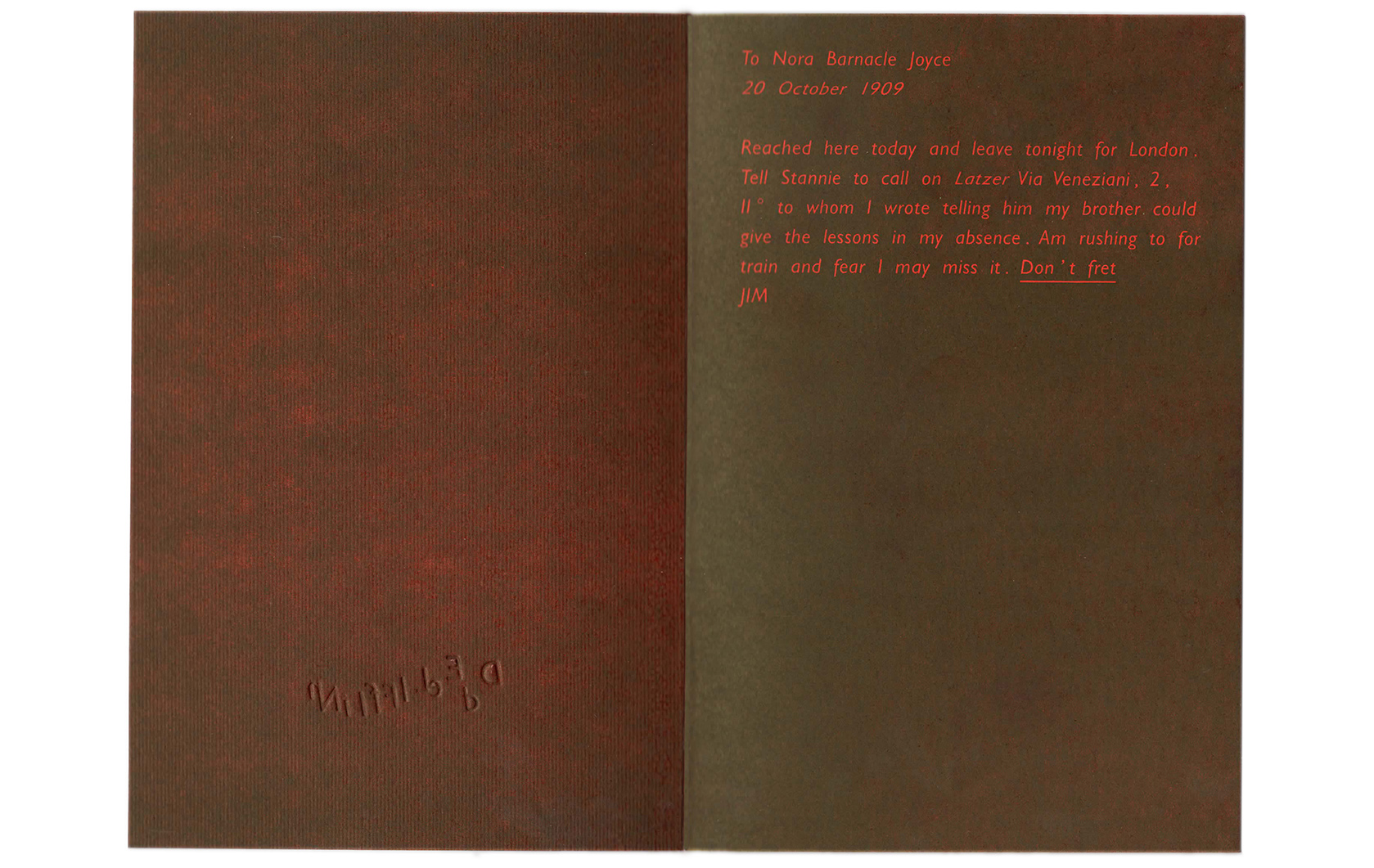
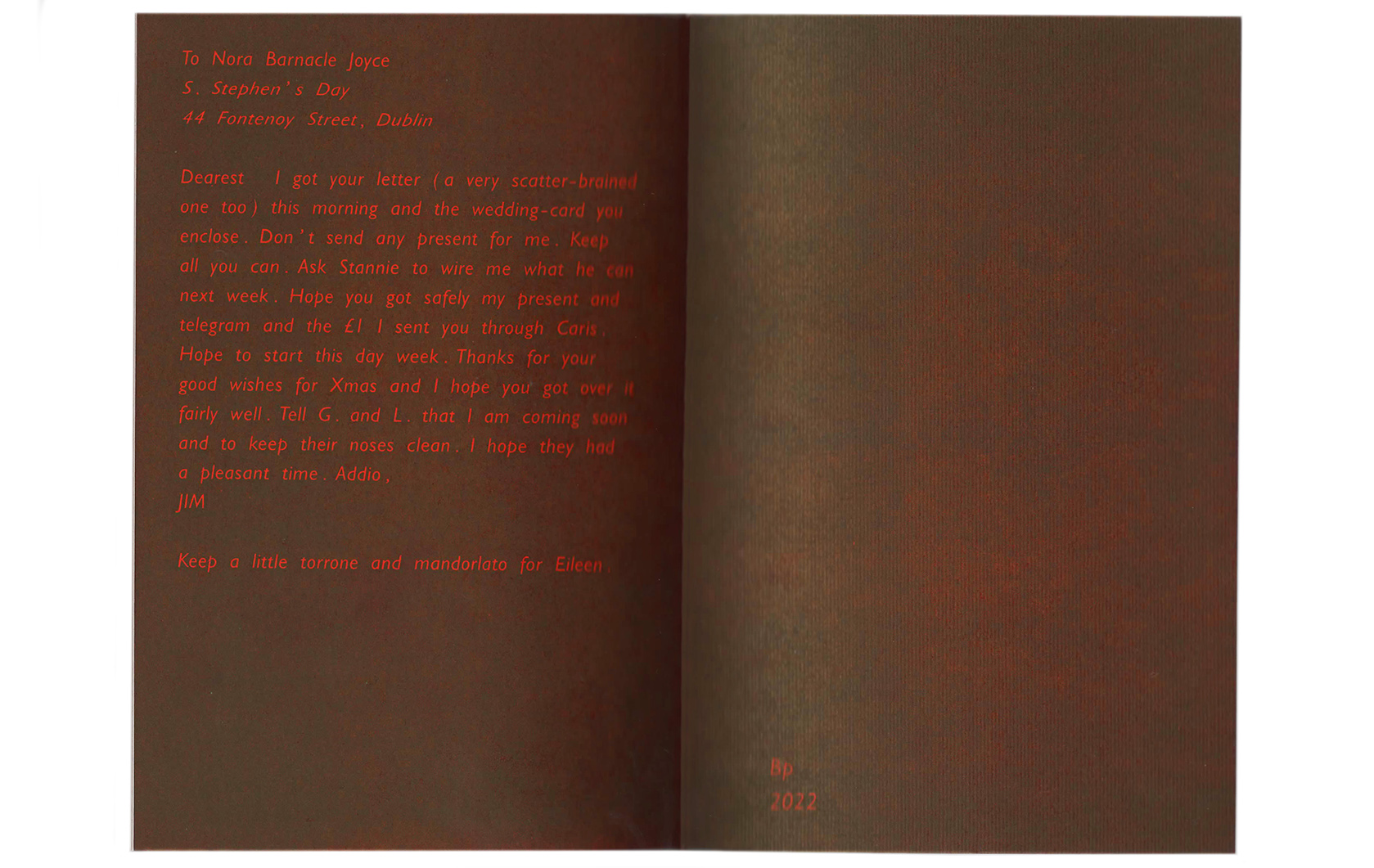
James Joyce To Nora Barnacle
English, 190 × 130 × 9 mm, risograph, offset paint, relief printing
James Joyce's letters to his later wife Nora Barnacle (aka. obscene letters). These letters are hard to categorise. Because of their function they are not literature, but describing them as “document” seems too dry, neither the genre of erotic writing or porn feels on point.
Categories are for taming reality, so maybe this being-over-categories position is what gives these writings their elemental force, their striking honesty & humanity.
The designer says: “The book design is the echo of the text within me. It's goal is to force the reader into my point of view: it should make such a code that's only possible to decipher using my perspective, by going through the same thought process as me.”
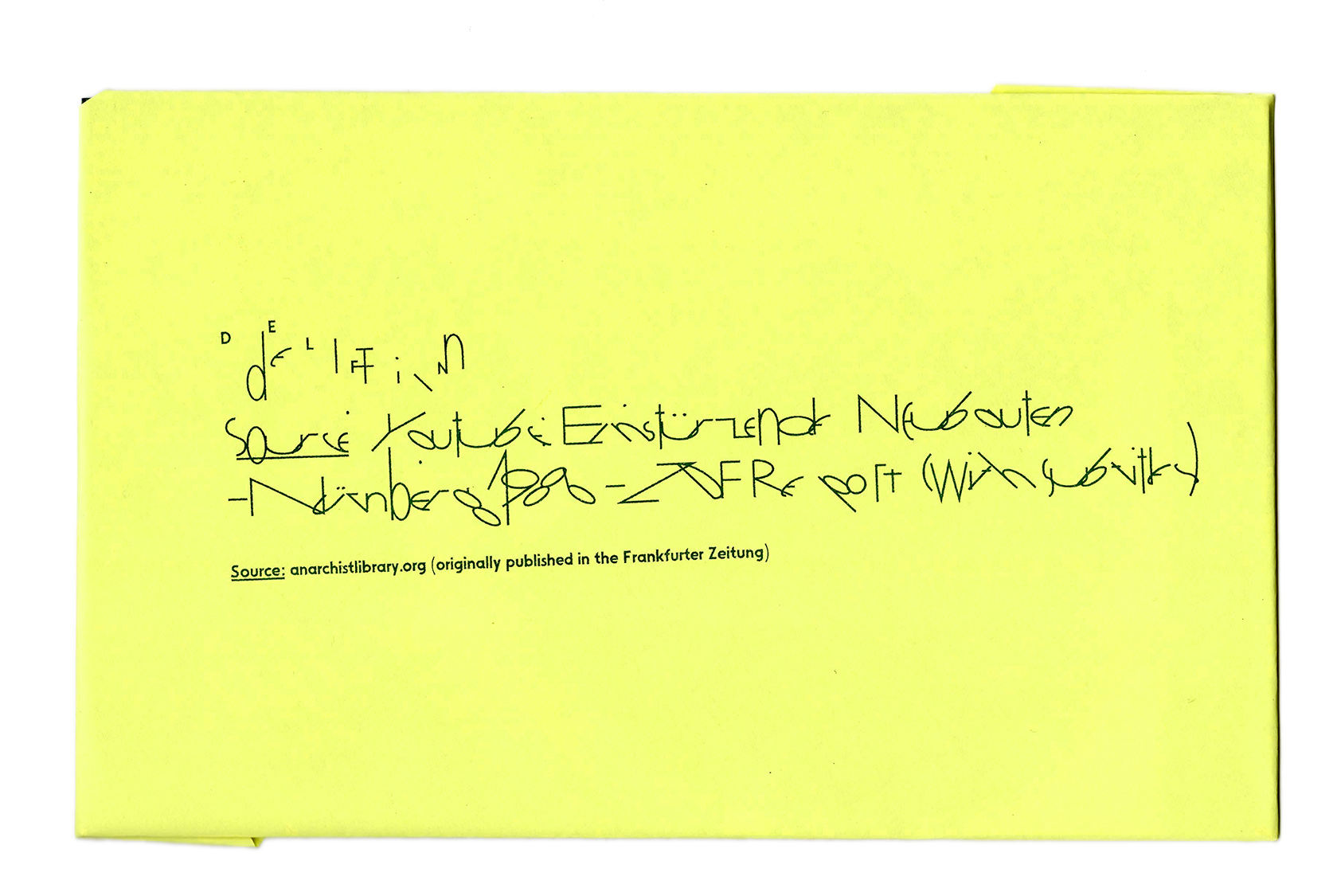
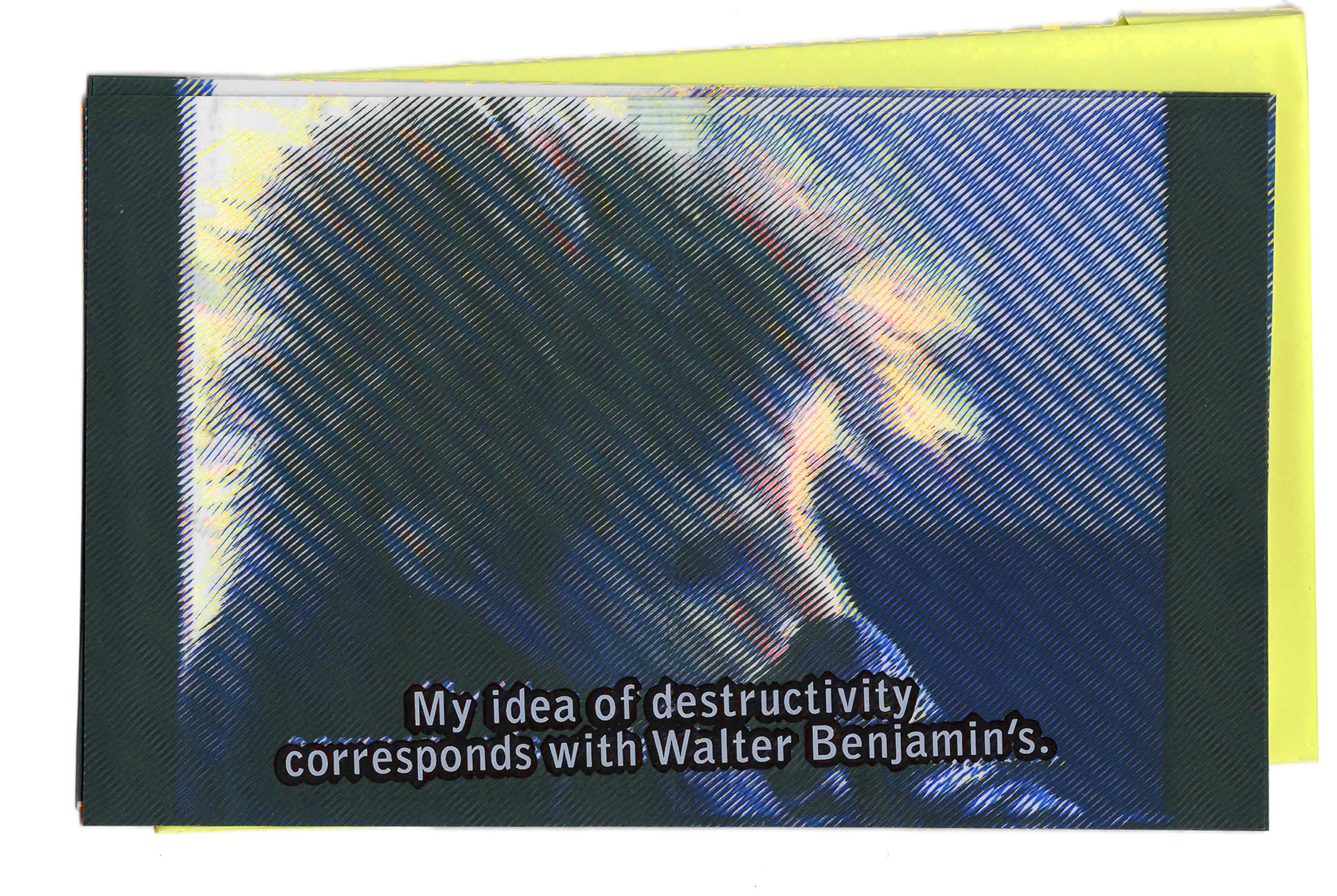
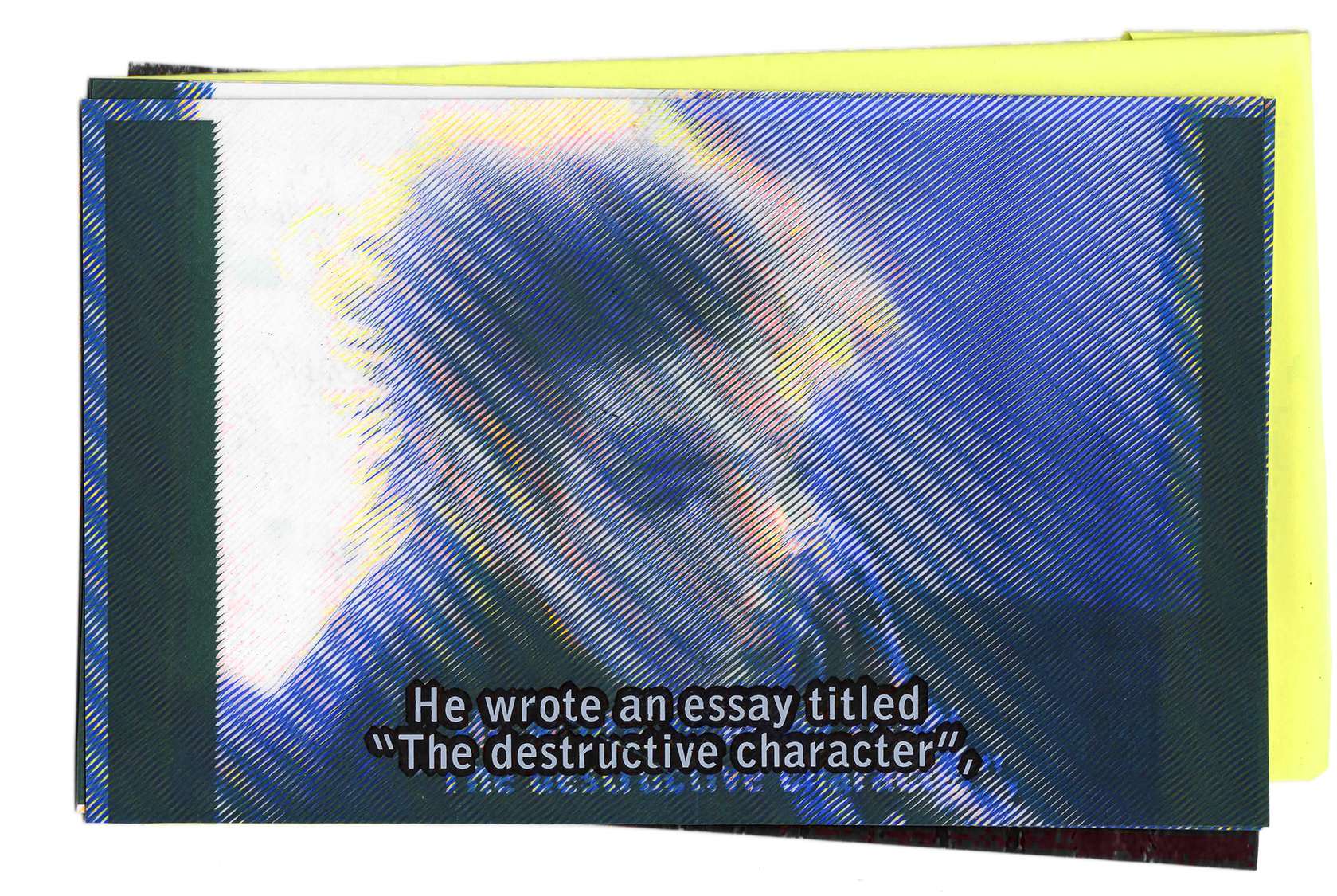
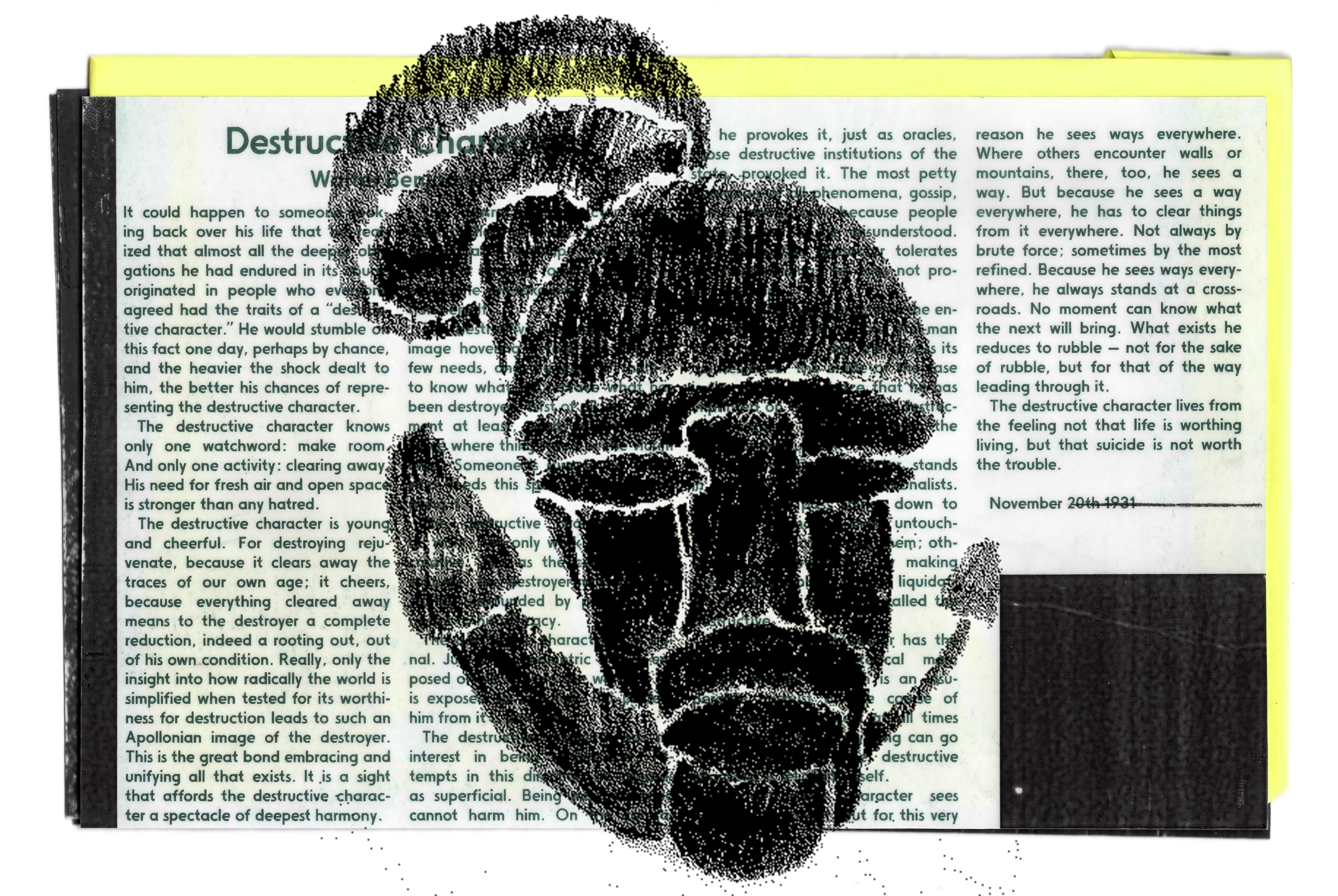
Walter Benjamin — Destructive character / Einstürzende Neubauten - Nürnberg 1986 - ZDF Report (with subtitles)
English, 170 × 270 mm, risograph, laminating pouches, laser printing, foil printing
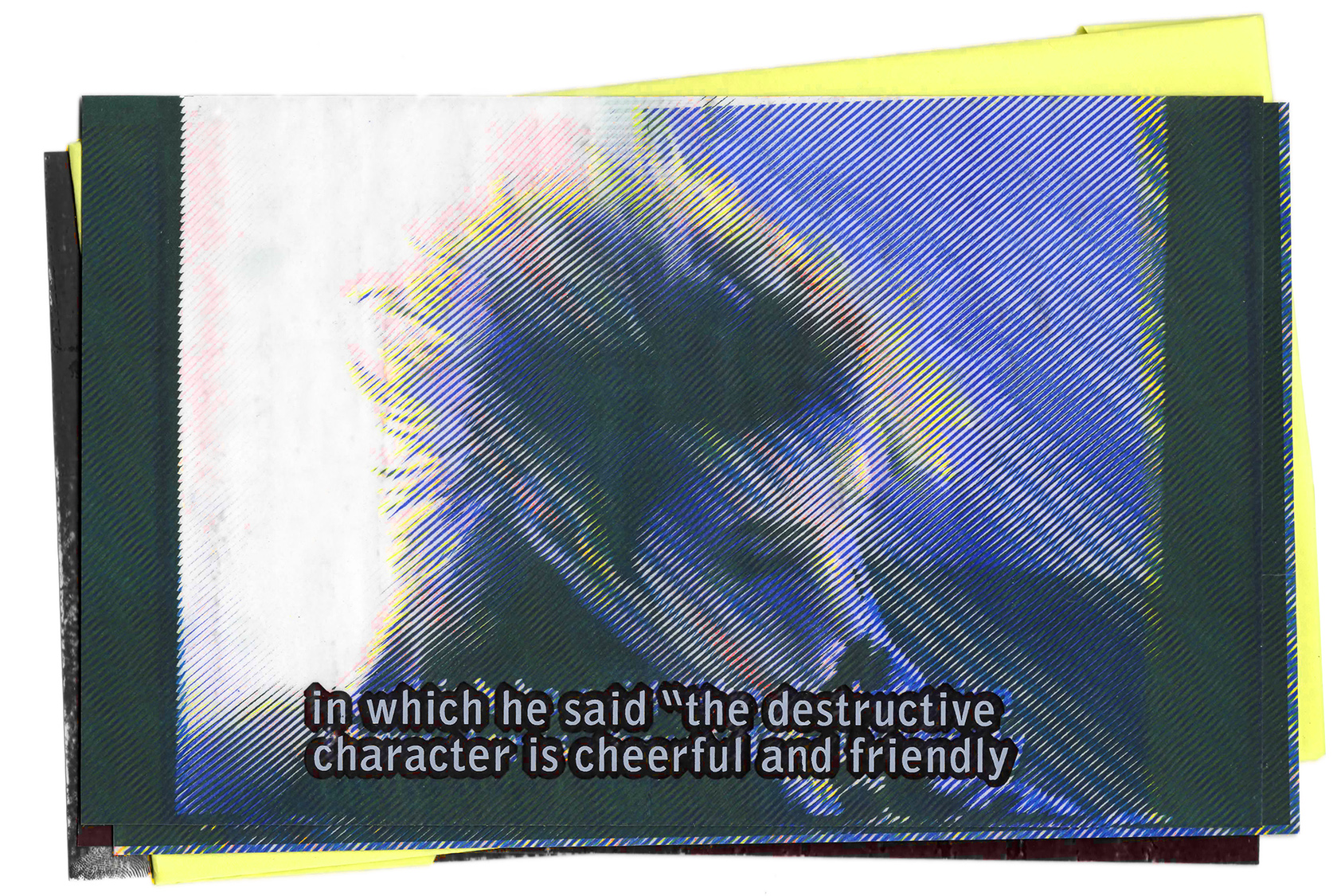
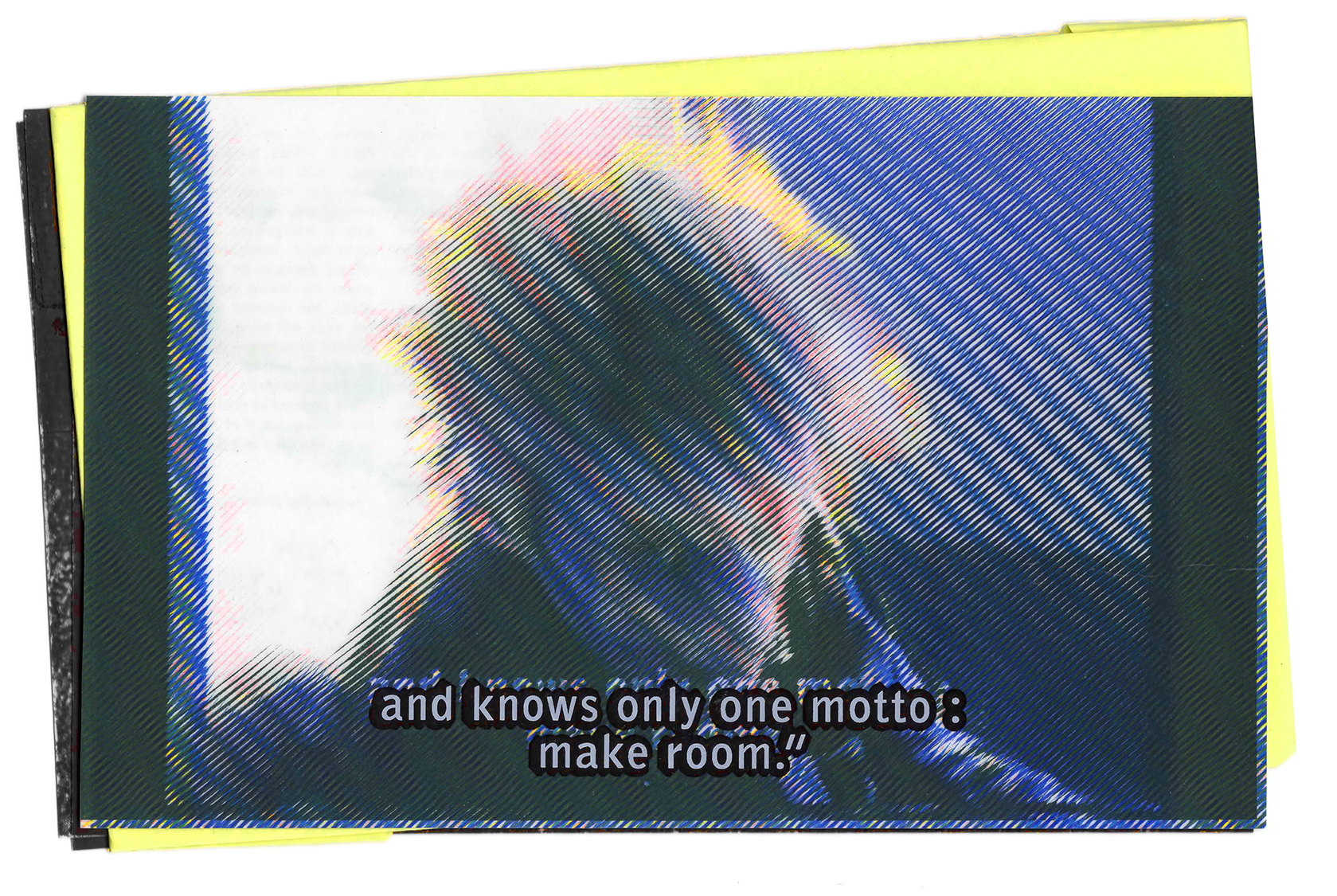
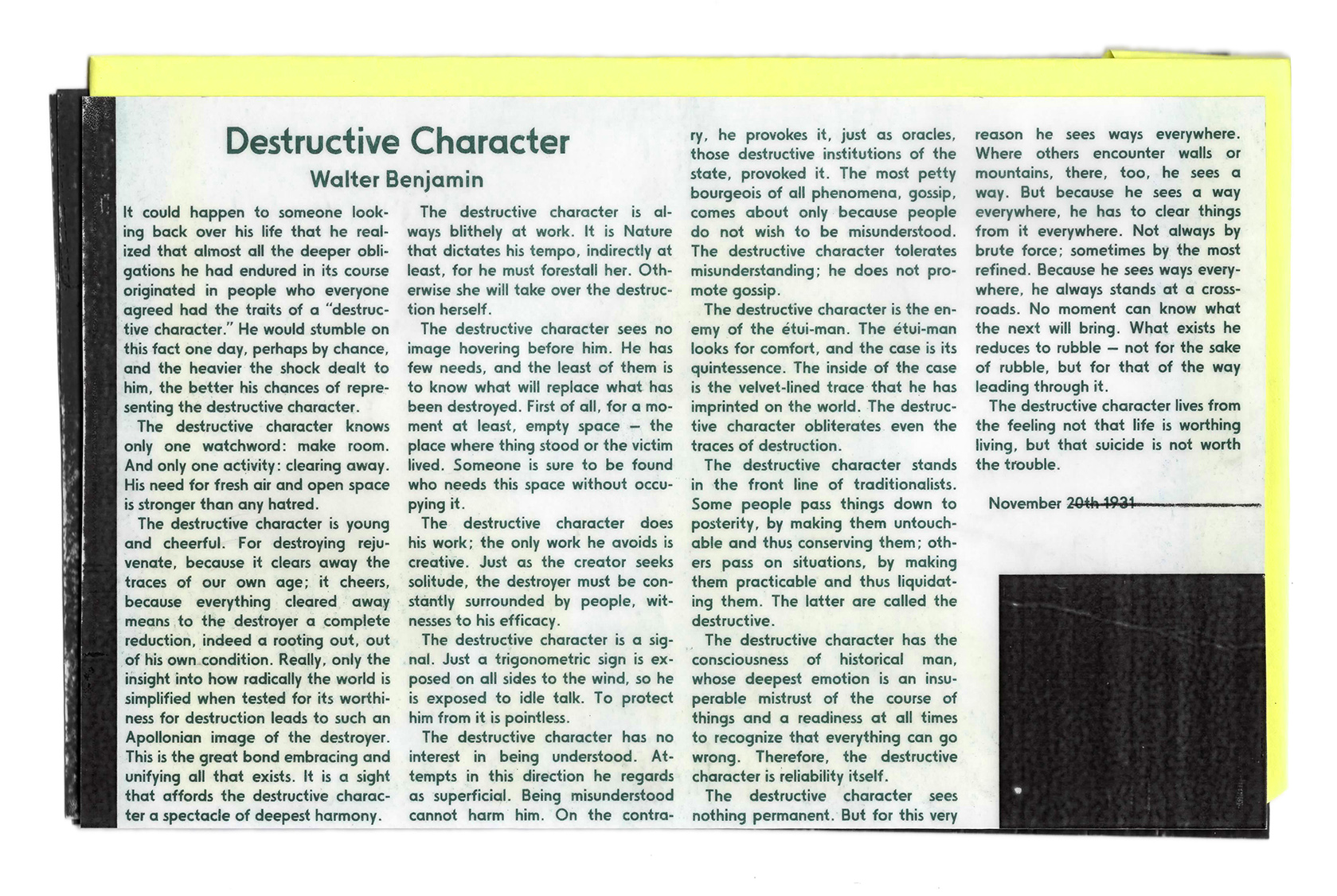
The publication puts Walter Benjamin's Destructive Character into context with Blixa Bargeld's 1986 interview. The Destructive Character is a short & neutral description. By Blixa Bargeld taking it as an example of his stance, he and the textual character gets paralleled, he becomes the extrapolation of the text. Thanks to this constellation we get a better & more elaborate, real life explanation of the Destructive Character.
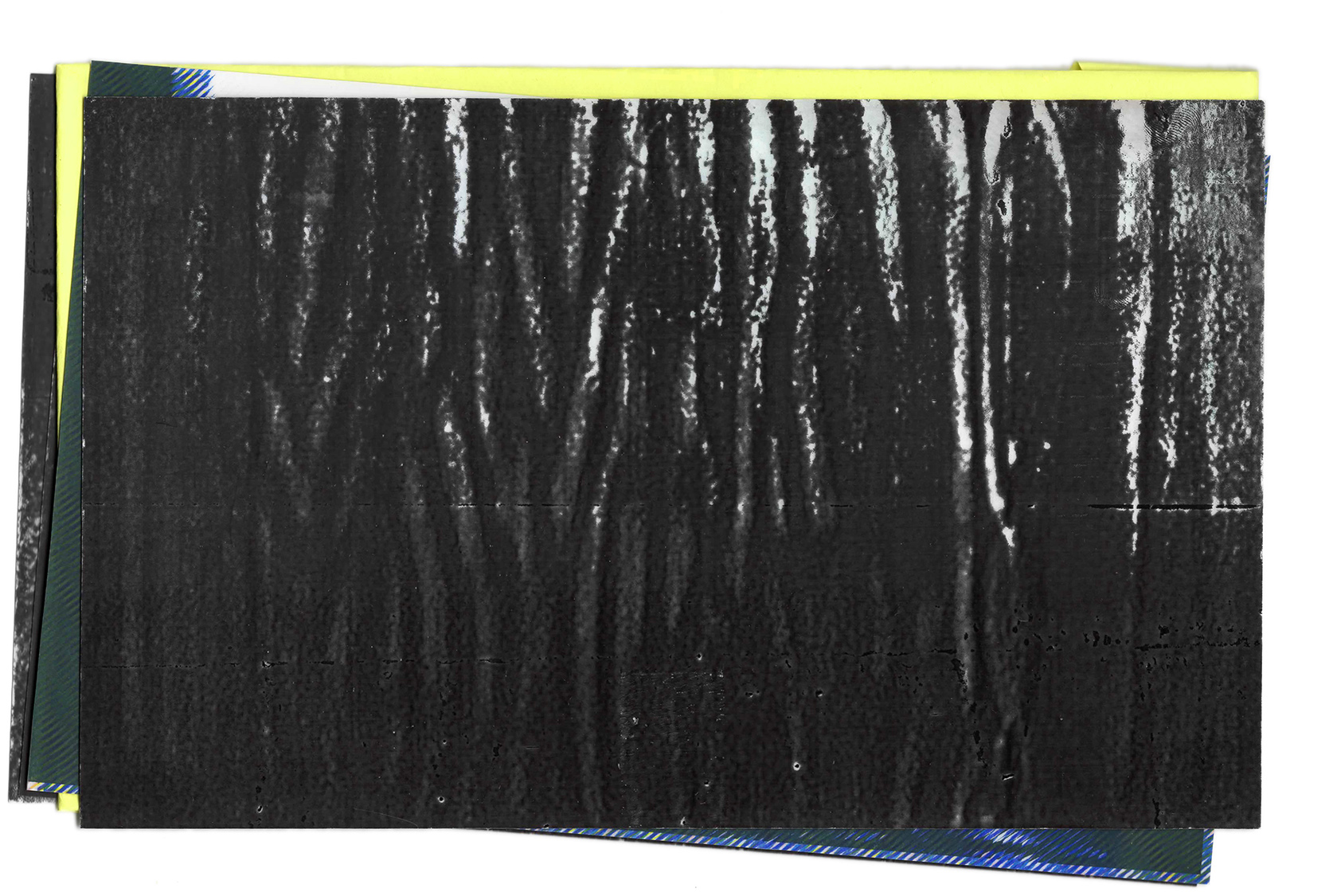
On one side of the cards are screenshots of the interview, on the other is the Walter Benjamin text. There is no primary side, both sides can be the footnote / illustration of the other.
base price: €20
edition of 40 pieces
In the framed part underneath, choose which & how many publications you want. Under the framed part you find the explanation of the price.
STEWART HOME: Rajtaütés a kultúrán
No. of Pieces: (1)
Öćyŕė
No. of Pieces: (1)
James Joyce — To Nora Barnacle
No. of Pieces: (1)
Walter Benjamin — The Destructive Character / Einstürzende Neubauten — Nürnberg 1986 — ZDF Report (with subtitles)
Applies to you if you expropriate one piece. You pay the lovest possible price (price of production), but the book can't be selled later on a higher price than you got it. To ensure that this will never happen, the following text is stamped on the publication: “This publication uses ™ Fixed Book Price: by purchasing it, you agree that you will never resell it for more than the price you paid (€ _____ )”
* * *
The ™ version of Fixed Book Price (FBP). In free market situations producing a good with its price already being written on it is grotesque (in hungarian — Csunderlik Péter: Gorbacsovtól Putyinig, Önkényes Mérvadó, 19:48 — In the soviet union the tennis racket had the price embossed). There are a few exceptions, one is book. Common FBP means that the book can't be reselled for 1–2 years on a different price than the publisher determined. ™ expands the FBP to the whole life of the publication: by doing so, speculative purchasing (¢o££€¢ting) is pointless, (in economic sense) the book has no secondary function.
•
•
•
•
™ FINE ART!:
Applies to you if you expropriate more than one of the same publication. Your expropriation reduces the market of the available books more than necessary (you exclude others from the owning), so you have to pay a fine. You get your books packed together, with a signed proof of authenticity.
* * *
FINE:
1. adj. good, excellent*
2. n. an amount of money that has to be paid as a punishment [...]*
3. vb. to charge someone an amount of money as a punishment [...]*
FINE ART:
1. drawings, paintings and sculptures that are admired for their beauty and have no practical use*
2. “punishment” art, with and exclamation mark: Let's punish art!
* From Cambridge dictionary
Artworks and ¢o££€¢ting are deeply connected. ¢o££€¢ting is about owning. Owning comes with exclusion — if I own something, you can't own it. The goal of ¢o££€¢ting is to exclude others. The value of a good thats been made for ¢o££€¢ting can be described by its uniqueness.
Printing is a duplicating process. Duplication is a democratizing process. You can't exclusively own something that has copies. Printing is an action against ¢o££€¢ting.
Objects of use have function. Getting into ¢o££€¢tion replaces the object-of-use's function, and by doing so, kills the object-of-use.
™ duplicates — prints. ™'s goal is to be un¢o££€¢table, but also respects one's free will. ™ just wants its share of the profit. The FINE ART! pricing method is ™'s answer to this situation.
You can expropriate ™ publications as artworks (multiple pieces of the same edition, packed together, excluding others), but you have to pay the price. In this case price is interpreted as cost of production + fine for exclusion. Packed together the pieces form a sculpture / installation, which function as a memorial for the owners obscene desire to possess. For the extra amount of money the books won't be better in their original function, packageing even prevents reading, but the owner is not decieved — the books by losing their original function, are really becoming an artwork.
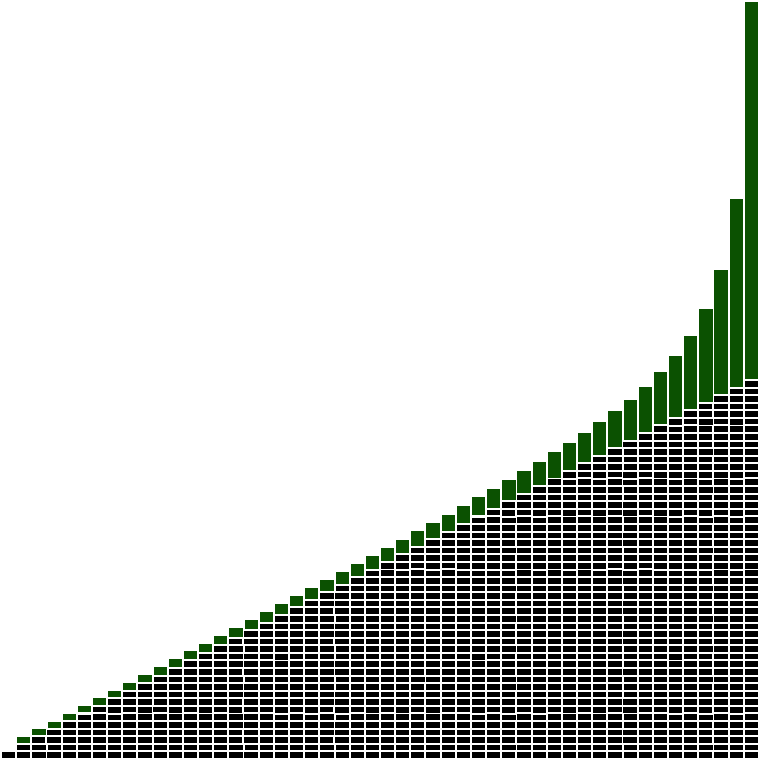
Opposing a traditional work of art, not only wealthy people can become owners, since you don't have to act as big fish, and exclude everyone by expropriating a 100% artwork. By expropriating 2 pieces, you already exclude someone. It is trackable how the amount of artwork-ness is changeing in the installation: if in case of edition of 50, buying 50 pieces results a 100% artwork, then buying 49 is only a 50% one (apart from you 1 other can own it).
The pricing follows the same exponential logic: if for a 100% artwork the fine is “x”, then for a 50% one fine is “x/2”.
The price changing shown on a diagramm:
™ pricing
2023, concept, equation + code
Pricing is a medium that expresses the (sometimes) complex philosophy of value.
We meet this medium day by day but the message behind usually stays unclear — it's not transparent what is the cause and method of setting the price (especially in case of extraordinary prices like airplane tickets & books).
™ changes that.
™'s dual pricing originates in the dual nature of books:
1. Book as object of use, reading machine.
2. Book as work of art.
™ separates that two role (economically). It supports owning with a goal, but punishes owning as a goal.